

When it comes to cleaning your electric toothbrush, I expect you want a spotless, hygienic tool, not just a mouth gadget. After all, isn’t the whole point to remove plaque and bacteria? Well, you’d be surprised how quickly grime builds up around the base and bristles. That’s why cleaning your electric toothbrush regularly is essential, not optional. Trade off a bit of elbow grease for better oral health and fewer bacterial surprises.
Why Regular Maintenance Matters

Keeping up with cleaning your electric toothbrush isn’t just about looks. It prevents mold, slime, and biofilm from growing around the brush head and handle. Moisture-laden bristles are prime real estate for bacteria, which can re-deposit on your teeth if ignored. By cleaning your electric toothbrush weekly and after illness, you reduce risk and keep your device doing its job effectively.
Daily Rinse & Dry Routine
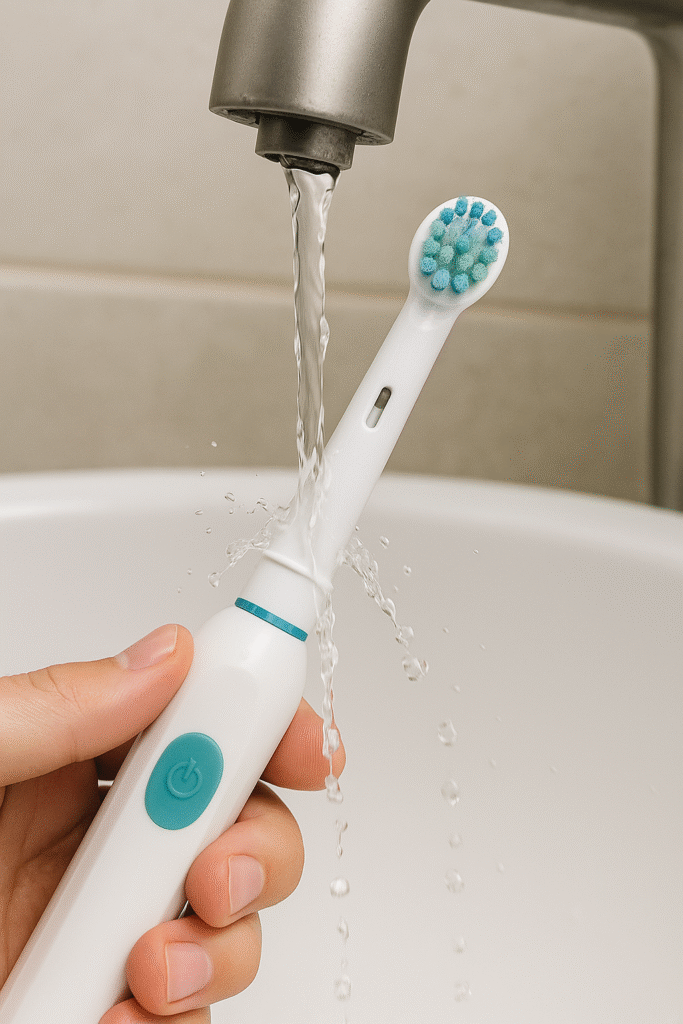
A simple rinse after brushing is your first defense in cleaning your electric toothbrush. Use hot tap water to wash toothpaste and debris from bristles. Then shake or air-dry upright. Avoid keeping it in a closed cup. Moisture gets trapped, encouraging bacteria. Think quick, daily upkeep to stay ahead of the funk.
Deep-Cleaning Techniques
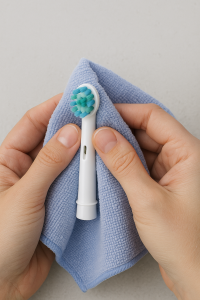
Every week or two, deepen your routine by soaking parts. Try hydrogen peroxide or antibacterial mouthwash to sanitize bristles. Or use a DIY soak with baking soda and vinegar for about 30 minutes. Detach the brush head and wipe handle seams with a damp cloth or Q-tip. These are often neglected areas where gunk breeds.
Handle Care & Storage
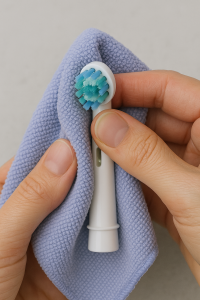
Don’t forget the handle. Cleaning your electric toothbrush extends to its body. Wipe it down with a damp cloth or alcohol wipe to remove residue and toothpaste splatters. Store the device upright with proper ventilation. Avoid sealed holders that trap moisture.
Replacement & Sanitizer Options
Finally, swap the brush head every three months or sooner if bristles fray. After you’ve recovered from a bug like strep throat, tossing or sanitizing the head is a good idea. For added peace of mind, UV sanitizers are effective. However, simple rinsing and drying can often work just as well.