
When it comes to selecting top men’s hiking shoes, these options stand out for their exceptional performance and comfort.
Best Overall: Salomon X Ultra 4 GTX
Most Affordable: Merrell Moab 3
Best Mid-Range: HOKA Anacapa 2 Low GTX
Best High-End: La Sportiva Spire Low GTX
Picking the Perfect Pair in 2025
The right hiking shoes can make the difference between a glorious summit selfie and a blister-ridden trudge back to the trailhead. Your feet need a blend of traction, cushioning, and protection that matches the terrain you roam, whether that’s Kansas flint hills or Colorado fourteeners. Look first at outsole grip compounds, midsole stiffness, and whether a waterproof membrane is worth the trade-off in breathability.
Fit still rules the day. A shoe that feels “okay” in the store will feel terrible after mile ten with a full pack. Make sure toes can wiggle on descents, heels stay locked, and there’s enough midfoot support for uneven ground. Don’t forget socks — thin hikers for speed, merino blends for multi-day comfort.
Finally, balance weight against durability. Modern synthetics keep shoes light, but rugged leather or beefy TPU overlays extend lifespan. Brands now address sustainability with recycled fabrics and repair-friendly designs, so you can tread lightly on both trails and planet.
Best Overall: Salomon X Ultra 4 GTX
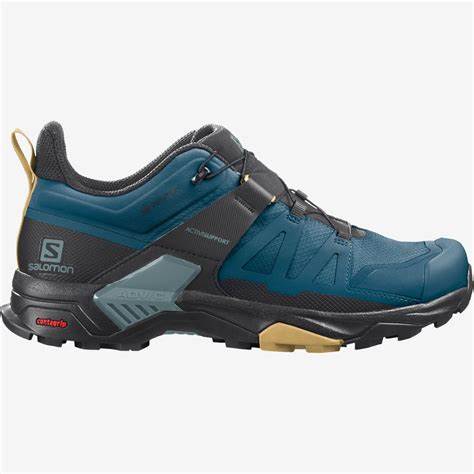
Salomon’s flagship low-cut hiker keeps winning year after year thanks to its “trail-runner with armor” personality. A burly chassis stabilizes uneven ground, while the Contagrip outsole sticks like glue on wet limestone and dusty switchbacks alike.
Despite the protection, each shoe tips the scale at only about twelve ounces, so weekend warriors won’t feel weighed down. The quick-lace system is a love-it-or-leave-it affair, but fans rave about the single-pull convenience when thunderstorms roll in.
The waterproof liner shrugs off surprise creek crossings yet vents well enough for hot Midwestern afternoons. Taken together, it’s the most balanced package of performance, price, and weight for 2025.
Pros
- Excellent wet and dry traction
- Secure fit with minimal break-in
- Light for the protection offered
Cons
- Quick-lace may be hard to repair on trail
- Runs a touch narrow for very wide feet
Most Affordable: Merrell Moab 3
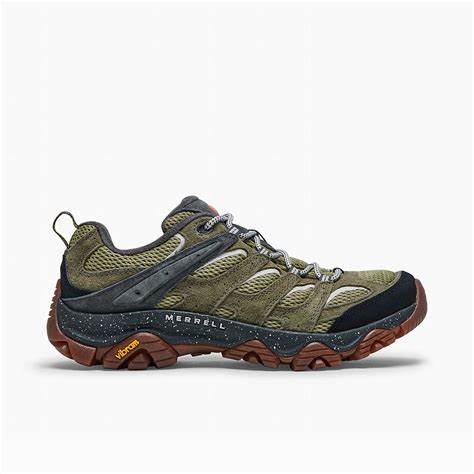
No shoe punches above its price like the Moab line, and the 2025 update keeps that tradition alive. At roughly one hundred twenty dollars, you get quality Vibram rubber, ample toe protection, and a suede-mesh upper that molds to the foot after a few miles.
Merrell widened the forefoot slightly this year, easing pressure on hikers who crave wiggle room. An EVA midsole absorbs shock without feeling squishy, and the in-house waterproof membrane (optional) saves a few dollars over premium liners.
Sure, it weighs more than pricier rivals and won’t last for hundreds of alpine miles, but for day hikers or those testing the waters of backpacking, the Moab 3 is unbeatable value.
Pros
- Trail-ready out of the box
- Budget-friendly without glaring compromises
- Roomy toe box suits wide feet
Cons
- Heavier than synthetic competitors
- Cushion packs out sooner on rocky terrain
Best Mid-Range: Hoka Anacapa 2 Low GTX
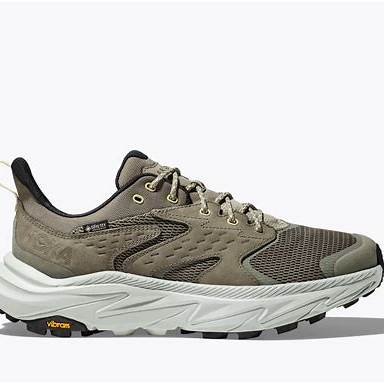
Sitting comfortably between bargain and deluxe, Hoka’s Anacapa 2 pairs marshmallow cushioning with a rockered sole that propels you up switchbacks. Fans of trail runners will love the lively feel, while backpackers appreciate the beefed-up nubuck overlays for durability.
Its one-pound-four-ounce weight per pair is respectable for a waterproof model, and the Vibram outsole sticks confidently on loose gravel. The plush five-millimeter drop design reduces calf fatigue on long descents, making it a standout for thru-hikes like the Ozark Highlands Trail.
Price-wise, it lands around one hundred seventy dollars — mid-range for the category yet still offering premium tech. If you log big miles but can’t justify top-tier pricing, the Anacapa 2 is your Goldilocks pick.
Pros
- Cloud-like cushioning with solid support
- Smooth rocker eases fatigue
- Reliable waterproofing without stuffiness
Cons
- Tall stack height feels tippy to some hikers
- Leather panels add weight compared to full mesh
Top of the Line: La Sportiva Spire GTX
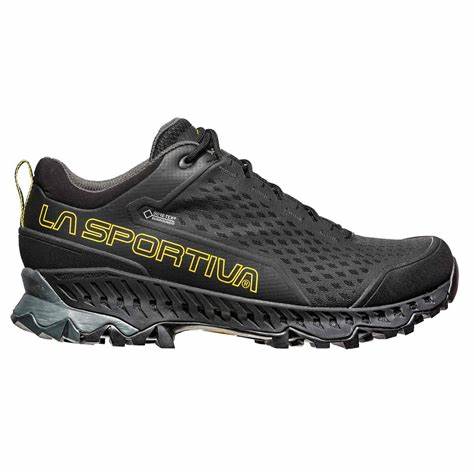
Think of the Spire GTX as a low-cut boot disguised as a shoe. It boasts a burly TPU exoskeleton, premium rubber, and control inserts that lock the midfoot on technical scrambles. It’s the priciest shoe here — around two hundred nine dollars — but also the most indestructible.
Underfoot, a firm EVA midsole teams with a TPU shank for torsional rigidity, perfect when your weekend “hike” turns into talus hopping. Despite the armor, the liner vents heat laterally, making it surprisingly breathable for shoulder-season slogs.
There is a break-in period, so plan a few local loops before that big Smoky Mountains trek. Once molded, the Spire becomes a lifelong trail companion built for brutal mileage.
Pros
- Bombproof construction and stability
- Superior edge grip on rock slabs
- Breathable for a fully waterproof shoe
Cons
- Highest price in the roundup
- Stiff until properly broken in
Trail-Ready Takeaways
Choosing between these four comes down to your priorities: ultimate balance (Salomon), wallet kindness (Merrell), plush comfort (Hoka), or expedition-grade durability (La Sportiva). Whichever path you pick, lace up, break them in gradually, and let 2025’s trails show you what they’re really made of. Happy hiking!
Related Articles: