How do you know which pair of hiking footwear, or hiking shoes, is right for your weekend trail adventures? The good news is that you don’t need to be an expert to find a great boot. You just need to keep a few real-world things in mind.
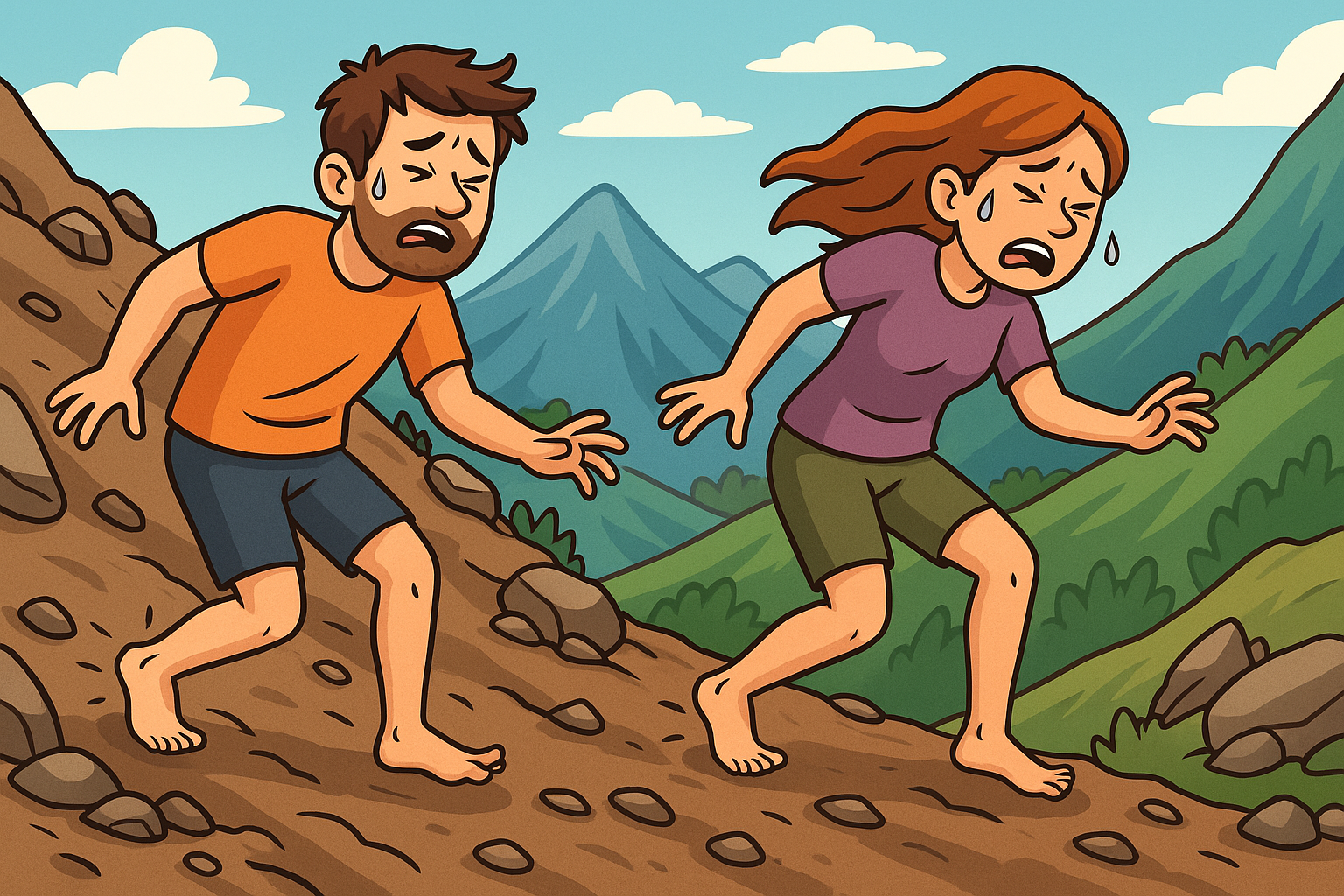
I’ll tell you from experience that foot comfort is everything. One of my early hikes taught me this the hard way. I had a bargain pair of boots that didn’t fit quite right. A few miles in, I was limping with blisters and aching toes. Nothing cuts a fun day short like feet that are screaming to stop.
That’s why getting the fit right is absolutely essential for hiking. Footwear should feel snug in a secure, supportive way. It should not be painfully tight. You still want a little wiggle room for your toes.
Try them on with the same socks you’ll wear on the trail. Thick hiking socks can make a difference. Do it in the late afternoon if possible. If you feel pinching, hot spots, or any sliding now, imagine how much worse that will be after five miles. A good fit from the start prevents blisters and blackened toenails. It makes hiking so much more enjoyable.
Next, think about the kind of hiking you’ll actually be doing and choose footwear that matches it. Hiking options range from low-cut shoes that look like sturdy sneakers to high-top boots built for mountain treks. For a casual day hike on a gentle trail, you might not need a heavy, high-cut boot at all. A lighter hiking shoe or mid-height boot can offer plenty of support and will feel less clunky underfoot. Lighter shoes also mean less weight on your feet, which makes walking easier and more fun. You might be surprised how much heavy hiking footwear can tire you out by hour three.
If you’re heading onto rocky, uneven paths, a sturdier boot can boost your confidence. Solid ankle support makes a big difference. This is also true if you are carrying a loaded backpack for an overnight camp. It’s all about matching your footwear to your adventure. Save the super-rugged boots for when you truly need them. Stick to comfortable lightweight pairs when you don’t. The goal is to have enough protection and support without your boots becoming a burden.
What the boot is made of will also affect how it feels and performs. Traditional full-grain leather boots are known for their toughness and stability. They can handle a lot of abuse and last for years. However, they’re heavier and usually need some breaking-in time to soften up. In contrast, many modern hiking boots use synthetic fabrics and mesh panels to cut weight and add breathability. These tend to feel comfy right out of the box and dry out faster when wet. The trade-off is they might show wear a bit sooner if you’re logging lots of miles. There’s no single “best” material. It really depends on what matters more to you. Do you want lighter weight and ventilation, or maximum durability and support? For most casual hikers, a boot made of mixed leather and fabric strikes a great balance. It offers a middle-ground solution.
You might not focus much on the bottom of your shoes as a new hiker. However, traction is your quiet hero on the trail. The outsole (the rubber bottom of the shoe) is what keeps you upright on mud, rocks, and dirt. Take a look at the tread pattern under a hiking boot. Those chunky grooves and lugs are there to grip the ground. Generally, deeper lugs give you better hold in soft or slippery conditions. They shed mud more easily, so your soles don’t turn into slick mud platforms. For most easy trails, any decent hiking sole will do the job. However, if you expect to scramble over rocks, ensure your tread can handle it. Also, check if the tread is suitable for wet leaves and steep sections.
You can even do a quick test for traction when you try boots on. Gently twist or scuff your foot on the store’s floor and see if the sole slips or holds. Good rubber will feel a bit tacky against a smooth surface. This tackiness hints that it will grip well on the trail. You don’t need mountaineering-grade tread for a casual hike. However, you do want to feel confident that your shoes won’t slide out from under you on uneven ground. Grippy soles give you one less thing to worry about.
Now, let’s talk about that “waterproof” label you see on so many hiking boots. Keeping your feet dry in wet conditions is a big deal for hiking. Footwear with this feature blocks out water. Few things are as miserable as hiking for hours in cold, soggy socks. Waterproof boots have a special membrane, like Gore-Tex, built into the lining. This membrane blocks out water. It can be a lifesaver if you’re trekking through rain, puddles, or muddy trails.
But that waterproof benefit comes with a downside. The same lining also reduces how much your feet can breathe. On a hot summer day, waterproof boots can turn your feet into a pair of sweaty ovens. If water does get in over the top, it will stay inside. For example, it could happen if you step in a deep stream or get caught in a downpour. That moisture will be slow to dry out. In a hot, dry climate, you might actually prefer non-waterproof mesh hiking shoes. They let the breeze in and dry quickly for short fair-weather outings. On the flip side, if you often hike through creeks, or in constant drizzle, choose a waterproof shoe. They are worth the investment to avoid the squishy-sock feeling. Think about where you’ll be hiking most of the time, and choose based on that.
Once you’ve finally found “the pair,” here’s a tip. Break them in before you head out on a big hike. Wear your new boots around the house or on walks around the neighborhood. This gives your feet and the boots a chance to get acquainted. Even a perfectly fitting boot can be a little stiff on day one. A few short walks help soften them up. These walks reveal any spots that might rub. Pay attention if you feel any discomfort and adjust the lacing or try different socks if needed. You definitely don’t want to discover they cause blisters for the first time when you’re five miles from the trailhead. A gradual break-in period means your boots will be trail-ready and comfortable when it really counts.
In the end, you don’t need the fanciest or most high-tech boots in the store. You just need the pair that fits you well and feels good when you walk. The right footwear for hiking is the one that practically disappears on your feet. You don’t have to think about it while you’re hiking. Don’t get too caught up in fancy features or what everyone else swears by. If you try on a boot and it makes you want to head straight for the hills, that’s the one. It’s a good feeling. When you finally hit the trail with shoes that suit you, you can focus on the views. You can also enjoy the fresh air. You can enjoy the adventure rather than deal with aching arches or blistered heels. And that’s exactly how
Related Articles: