
Looking for the best options for a consumer bank? Here are some top choices. Best Overall: Ally Bank
Most Affordable: Discover Bank
Best Mid-Range: Capital One
Best High-End: Chase
What Matters When Choosing a Consumer Bank
Choosing a consumer bank is about finding the right fit for your financial life. The best bank for you depends on several factors: the products and services it offers, the fees it charges (or doesn’t charge), the interest rates it pays, and whether it has physical branches where you need them. Customer satisfaction and trust are crucial as well, you want a bank that reliably supports you, especially during challenging times. In 2025’s competitive landscape, banks are working harder than ever to earn that trust by improving service, offering better technology, and cutting unnecessary fees.
Another key consideration is how you prefer to bank. Some people love the convenience of mobile apps and online banking; others still value a robust branch network for in-person service. Many banks offer a mix of both, so it’s important to decide whether you need face-to-face assistance or if a digital-first experience will keep you happy. A bank’s customer service quality—either in branch or via phone/chat—and the usability of its website and app can make or break your daily banking routine.
Finally, consider your financial priorities. Are you looking to minimize fees and save money? Do you want a one-stop bank that offers everything from basic checking to mortgages and investments? Or perhaps you’re after premium perks and top-notch service for a higher balance. Different banks excel in different areas. Below are four standout U.S. consumer banks for 2025 in distinct categories—Best Overall, Most Affordable, Best Mid-Range, and Top of the Line—to help you match your banking needs to the right institution.
Best Overall — Ally Bank
Ally Bank takes the crown as 2025’s best overall consumer bank thanks to its exceptional blend of high customer satisfaction, competitive interest rates, and near-zero fees. As an online-only bank, Ally has no brick-and-mortar branches, but it delivers a premium experience through an intuitive mobile app and website. Customers praise Ally’s reliability and transparency, and its full suite of products—checking, savings, money market accounts, and CDs—makes it easy to keep all your finances under one roof.
What really sets Ally apart is affordability. It charges no monthly maintenance or overdraft fees, requires no minimum balances, and reimburses up to $10 per statement cycle for out-of-network ATM fees. With more than 75,000 fee-free ATMs nationwide and 24/7 customer support (the bank even posts its current call-wait time online), Ally makes everyday banking hassle-free.
The only trade-off is the lack of physical branches. If you must handle cash deposits or simply prefer face-to-face service, Ally isn’t the best fit. For everyone else, it offers low costs, strong rates, and user-friendly tech an ideal combination that earns its spot as Best Overall.
Pros
- No monthly maintenance or overdraft fees
- Competitive interest rates on checking, savings, and CDs
- 24/7 customer support with short wait times
- Easy-to-use mobile app and online tools
- Access to 75,000+ fee-free ATMs nationwide
Cons
- No physical branches for in-person service
- Limited options for cash deposits
- Online-only experience may not suit traditional bankers
Most Affordable — Discover Bank
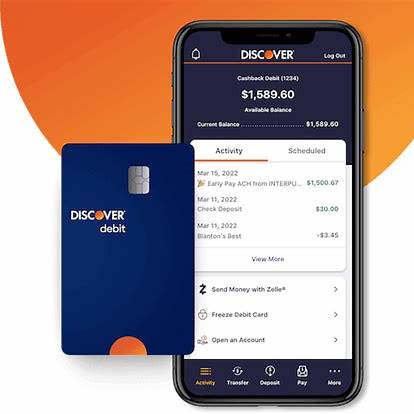
If your top priority is saving money on fees, Discover Bank is 2025’s most affordable choice. Known for its popular credit cards, Discover’s online banking arm quietly offers some of the best low-cost accounts around: no monthly fees, no minimum balance requirements, and no overdraft fees. You also get free access to more than 60,000 ATMs across the country.
Discover’s standout feature is its Cashback Debit account, which pays 1 % cash back on up to $3,000 in debit-card purchases each month—effectively rewarding you for everyday spending while keeping costs near zero. Its online savings account also offers a competitive APY, helping your money grow without sacrificing liquidity.
Because Discover is online-only, there’s just one physical branch (in Delaware). You’ll handle most transactions digitally or at ATMs, and cash deposits can be tricky. For budget-minded customers comfortable with online banking, Discover’s fee-free structure and cash-back perks make it the clear affordability winner.
Pros
- No monthly fees or minimum balances
- Zero overdraft fees; free overdraft protection transfers
- 1 % cash back on up to $3,000 in debit purchases monthly
- 60,000+ fee-free ATMs nationwide
- Robust mobile app and 24/7 customer service
Cons
- Virtually no branch network
- Difficult to deposit cash directly
- Savings APY competitive but not market-leading
- No in-person assistance for complex needs
Best Mid-Range — Capital One
Capital One strikes the perfect balance between online convenience and traditional service, earning the title of Best Mid-Range bank. Its no-fee 360 Checking and 360 Performance Savings accounts feature competitive interest rates and require no minimum balances. Unlike most online banks, Capital One offers roughly 280 branches and more than 50 Capital One Cafés, where you can sip coffee while getting banking help.
Customers benefit from more than 70,000 fee-free ATMs, early direct deposit, multiple overdraft-protection options, and a mobile app packed with budgeting tools. Capital One consistently earns high marks for customer satisfaction, reflecting its strong service both digitally and in person.
Downsides? Branches are concentrated in select states, so not everyone will have local access. The bank also doesn’t reimburse out-of-network ATM fees, relying instead on its large free network. Still, Capital One delivers premium-level features without premium-level costs—ideal for customers who want flexibility and value in equal measure.
Pros
- No monthly service or overdraft fees
- Competitive rates on savings and interest-bearing checking
- Hybrid model: branches, cafés, and stellar digital tools
- 70,000+ fee-free ATMs nationwide
- Highly rated mobile app with budgeting features
Cons
- Limited branch coverage outside core states
- No reimbursement for out-of-network ATM fees
- Premium wealth-management services less extensive than “big four” banks
- Safe-deposit boxes and cash services less common due to smaller branch footprint
Top of the Line — Chase
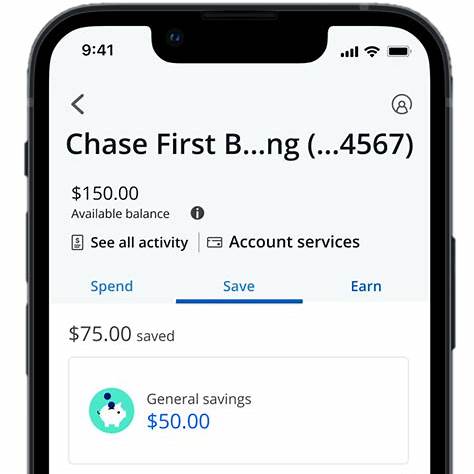
For the ultimate full-service experience, Chase stands out as 2025’s top-of-the-line bank. With more than 4,700 branches across 48 states and 16,000 ATMs, Chase offers unmatched physical reach. Its product lineup is enormous: multiple checking and savings options, market-leading credit cards, mortgages, auto loans, investment accounts, and premium tiers like Sapphire Banking and Chase Private Client.
Chase’s mobile and online platforms are feature-rich, letting you manage bank accounts, credit-card rewards, and investments in one place. Premium customers enjoy perks such as global ATM-fee rebates, priority support, and exclusive credit-card benefits—making Chase a true one-stop shop for affluent or high-balance customers.
The biggest downside is cost: deposit interest rates are low, and checking accounts carry monthly fees unless you meet balance or direct-deposit requirements. Yet for many, the sheer convenience, comprehensive services, and premium perks offset those drawbacks. If you want it all branches everywhere, best-in-class digital tools, and a full suite of financial products—Chase is the clear “Top of the Line” winner.
Pros
- Massive branch and ATM network nationwide
- Comprehensive product lineup, including investments and top credit cards
- Premium account tiers with VIP perks and dedicated support
- Excellent mobile app with integrated money-management tools
- Strong overall customer service reputation
Cons
- Low interest rates on savings and CDs
- Monthly fees unless balance/direct-deposit requirements are met
- Highest perks reserved for high-balance customers
- Fee structure less forgiving than online-only banks
Bottom Line
Whether you value zero fees, a perfect digital experience, a hybrid of online and branch access, or an all-encompassing premium service, there’s a standout bank ready to meet your needs in 2025. Use this guide to match your banking style and priorities to the right institution, and you’ll be well on your way to a happier, healthier financial life.
Related Articles: